US Administration Suspends Immigrant Visa Processing for 75 Countries
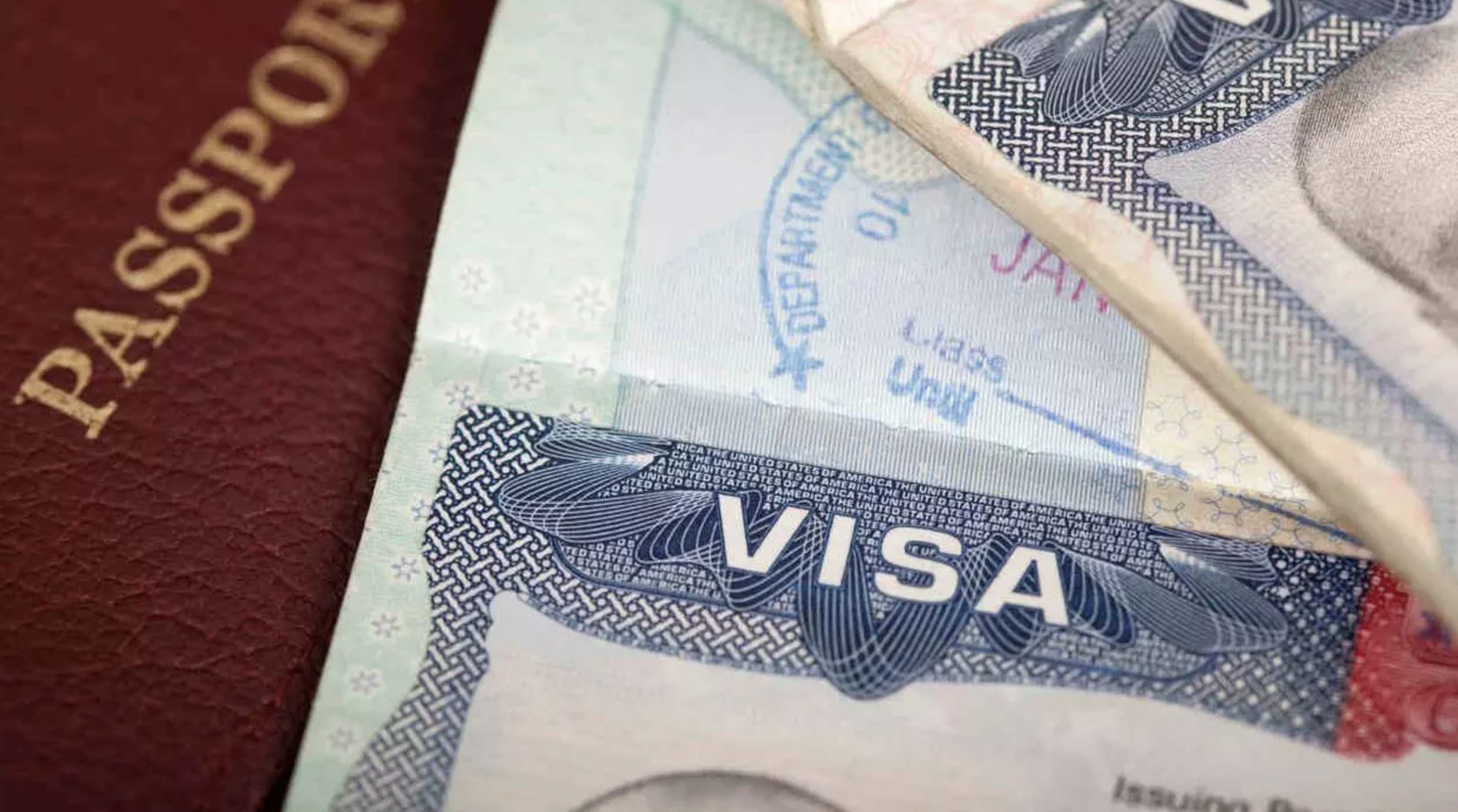
The U.S. Department of State has reportedly announced an indefinite suspension of immigrant visa processing for nationals of 75 countries, effective January 21, 2026, according to multiple news sources. According to reports, consular officers have been instructed to halt processing and approval of immigrant visa applications from affected countries until further notice. The suspension applies exclusively to immigrant visas that lead to permanent residence, including family-based and employment-based immigration pathways, while nonimmigrant visa processing for tourism, study, and temporary work remains unaffected. Details are still emerging, and official confirmation from the State Department may provide additional clarity on implementation timelines and specific procedures.
The policy affects countries across multiple regions, including nations in Africa, Asia, the Middle East, Latin America, and Eastern Europe. According to reports, the complete list of 75 countries subject to the suspension includes:
Africa (27 countries): Algeria, Angola, Benin, Botswana, Burundi, Cabo Verde, Central African Republic, Cote D'Ivoire, Djibouti, Egypt, Gabon, The Gambia, Guinea, Guinea-Bissau, Malawi, Mauritania, Namibia, Nigeria, Sao Tome and Principe, Senegal, Somalia, Sudan, Tanzania, Togo, Uganda, Zambia, Zimbabwe
Asia (22 countries): Afghanistan, Bangladesh, Bhutan, Cambodia, Fiji, Indonesia, Kyrgyzstan, Laos, Malaysia, Myanmar, Nepal, Pakistan, Philippines, Sri Lanka, Tajikistan, Thailand, Tonga, Turkmenistan, Tuvalu, Uzbekistan, Vanuatu, Vietnam
Middle East (7 countries): Iran, Iraq, Jordan, Lebanon, Palestine, Syria, Yemen
Latin America and Caribbean (15 countries): Antigua and Barbuda, Brazil, Colombia, Cuba, Dominica, Ecuador, El Salvador, Guatemala, Haiti, Honduras, Nicaragua, Panama, Paraguay, Peru, Venezuela
Eastern Europe (4 countries): Belarus, Moldova, Russia, Ukraine
The complete list has reportedly been published through official channels, though specific implementation details may vary by consular post and official confirmation is pending.
According to reports, exceptions may be granted for dual nationals applying with a passport from a non-listed country or for cases deemed in the national interest. The suspension applies to immigrant visa applications that have been submitted but not yet approved and printed, meaning pending applications will be held until the suspension is lifted or an exception is granted.
Reports indicate that this policy announcement follows a directive issued in November 2025 that tightened requirements for immigrants' financial stability, English proficiency, background checks, and medical screenings. According to sources, this suspension builds on those previous changes and is part of broader efforts to ensure that new immigrants meet enhanced eligibility criteria and are not likely to become public charges, meaning dependent on government benefits or public assistance programs.
Immigration experts reportedly estimate that this policy could affect approximately 315,000 legal immigrant visas annually if the suspension remains in effect long-term. The suspension represents a significant shift in processing procedures, as immigrant visa applications from affected countries will not proceed through normal consular review channels until the State Department completes its review of processing and vetting procedures.
No end date has been announced for the suspension, with reports indicating it will remain in effect until the Department completes its comprehensive review. Officials have reportedly stated that the review process will examine processing procedures, vetting mechanisms, and eligibility determinations to ensure alignment with current policy objectives regarding immigrant financial self-sufficiency and public charge considerations.
Nonimmigrant visa processing continues unaffected, meaning citizens from the 75 affected countries can still apply for and receive tourist visas, student visas, temporary work visas, and other nonimmigrant categories. This distinction is important for travelers, students, and temporary workers who may have been concerned about broader visa restrictions.
The suspension affects multiple immigrant visa categories, including immediate relative visas for spouses, children, and parents of U.S. citizens; family preference visas for other family members; employment-based visas for skilled workers, professionals, and investors; and diversity visa lottery winners from affected countries. Each category is subject to the same suspension until further notice.
What's Next / Context
The reported suspension of immigrant visa processing for 75 countries represents a significant development in U.S. immigration policy, reflecting ongoing efforts to ensure that immigrants admitted to the United States are financially self-sufficient. The public charge rule has been a longstanding component of U.S. immigration law, though its interpretation and application have evolved over time.
This reported policy change follows a pattern of increased scrutiny on immigrant financial stability and self-sufficiency requirements. The November 2025 directive that reportedly preceded this suspension expanded the factors considered in public charge determinations, including income levels, assets, education, English language proficiency, and health status. The current reported suspension extends these policy objectives by temporarily halting processing from countries where officials have determined that enhanced review is necessary.
The impact on affected families and individuals could be substantial, as immigrant visa processing represents the primary pathway to permanent residence for many people seeking to reunite with family members in the United States or to immigrate through employment-based categories. The indefinite nature of the reported suspension creates uncertainty for applicants who have already invested significant time and resources in the immigration process.
As details continue to emerge, affected applicants and their families should consult official State Department resources and consider seeking guidance from qualified immigration attorneys. The Department has reportedly indicated that it will provide updates as the review process progresses, though no timeline has been established for completion of the review or potential lifting of the suspension.