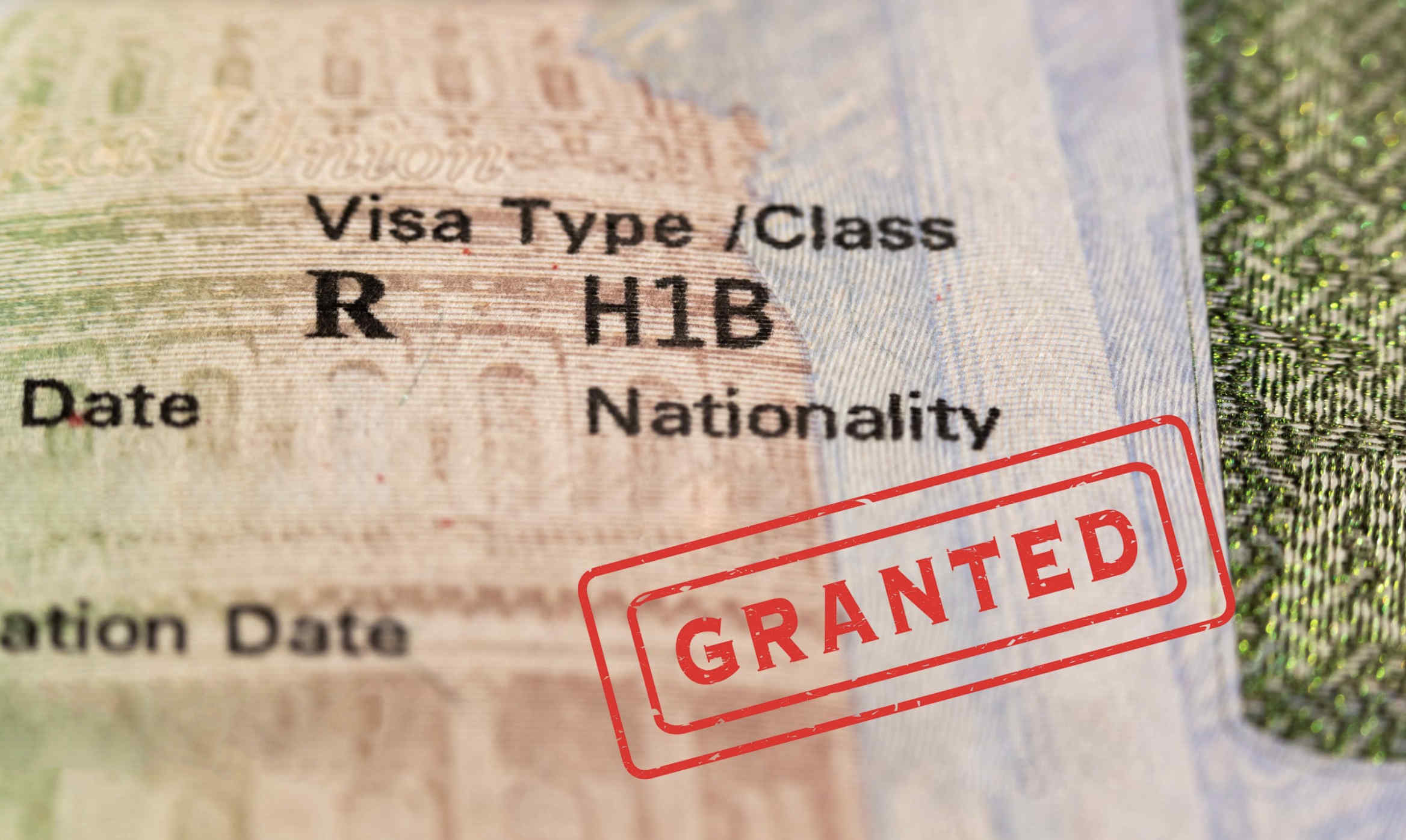
DHS Proposes End to 60-Day Grace Period for Nonimmigrant Visa Holders
The Department of Homeland Security has advanced a proposed regulation that would eliminate the 60-day grace period available to certain employment-based nonimmigrants after their U.S. employment ends. According to Fragomen, the proposal is under review at the Office of Management and Budget and has not yet been published for public comment.
Fragomen reports that the proposed rule, if finalized, would remove the regulatory protection that currently allows affected workers and their dependents to remain in the United States for up to 60 consecutive days—or until the expiration date on their Form I-94, whichever is shorter—after the principal worker's employment ceases before the end of their authorized stay. The grace period applies whether the employment separation is voluntary or involuntary.
The existing grace period remains in effect. Fragomen states that the regulation would not take effect until it clears OMB review, is published in the Federal Register, completes a public comment period, and is finalized, a process that typically takes several months. Until then, eligible nonimmigrants who lose employment may continue to rely on the current 60-day grace period, subject to existing regulatory requirements.
According to Fragomen, the 60-day grace period was created by regulation in 2016 and took effect in early 2017. It applies to E-1, E-2, E-3, H-1B, H-1B1, L-1, O-1, and TN principal nonimmigrants and their dependents. The grace period is available once during each authorized petition validity period. DHS retains discretion to refuse or shorten the grace period but has rarely done so in practice.
If the grace period were eliminated, Fragomen notes that foreign nationals whose employment ends before their authorized stay expires would generally no longer be considered to be maintaining status during a post-employment window. Those individuals would typically be expected to depart the United States immediately and would generally be unable to change employers or change status within the United States unless USCIS exercises discretion to forgive a lapse in status.
The full text and scope of the proposal will not be known with specificity until it is published. Employers and workers should therefore avoid assuming which procedural details, exceptions, or effective dates may appear in a final rule.
What's Next / Context
The 60-day grace period was introduced to reduce the immediate immigration consequences of unexpected or planned employment loss. It gives affected workers time to seek another employer in the same nonimmigrant category, pursue a change of status, or arrange departure without automatically falling out of status on the last day of employment.
For U.S. employers, the grace period has provided a practical buffer during layoffs, reorganizations, and recruiting transitions involving H-1B, L-1, and other covered workers. Eliminating or restricting that period could shorten the window for filing transfer petitions, coordinating onboarding with a new sponsor, or planning lawful departure.
Because the measure remains a proposal under OMB review, stakeholders cannot yet submit formal comments on its specific language. Once the proposal is published in the Federal Register, employers, workers, and professional organizations may have an opportunity to respond during the comment period before DHS considers a final rule.
Workers currently in covered nonimmigrant statuses should continue to follow existing regulations and consult official USCIS guidance. Anyone whose employment has recently ended should confirm eligibility for the current grace period and evaluate transfer, change-of-status, or departure options based on published rules rather than on preliminary reports about the proposal.