USCIS Terminates TPS for Burma and South Sudan, Ending Related Work Authorization
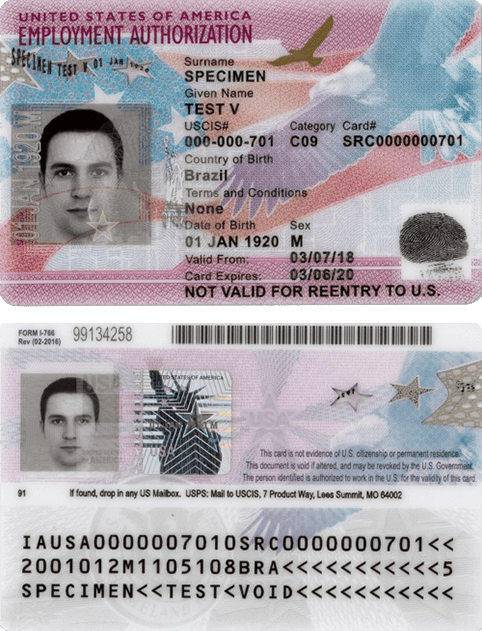
U.S. Citizenship and Immigration Services has announced that Temporary Protected Status designations for Burma and South Sudan are terminated, effective August 7, 2026. According to USCIS and Fragomen, employment authorization documents issued on the basis of TPS for beneficiaries from those countries are no longer valid as of that date.
USCIS states on its country-specific TPS pages that former Secretary of Homeland Security Kristi Noem determined that Burma and South Sudan no longer met the conditions for TPS designation. The agency notes that the Burma designation is terminated effective August 7, 2026, and the South Sudan designation is terminated effective the same date. Fragomen reports that DHS had previously announced terminations slated for January 26, 2026, for Burma and January 5, 2026, for South Sudan, but litigation delayed implementation.
According to Fragomen, the June 25, 2026, U.S. Supreme Court decision in Mullin v. Doe, which addressed challenges to TPS terminations in a related context, cleared the way for DHS to implement the previously delayed terminations for Burma and South Sudan. USCIS references the same Supreme Court decision on its official TPS country pages.
Fragomen states that TPS EADs for Burma beneficiaries had most recently been extended through August 7, 2026, while South Sudan TPS EADs had most recently been extended through August 10, 2026. USCIS's August 7 announcement effectively ended South Sudan TPS work authorization earlier than the prior extension date, with EADs for both countries ceasing to be valid on August 7, 2026.
Employers with workers who presented TPS-based EADs for Burma or South Sudan must reverify employment eligibility under Form I-9 requirements. USCIS instructs that employers may not continue employing a person who cannot provide proof of current valid work authorization. Affected individuals may need to seek another immigration status, apply for any remaining available relief, or make lawful departure plans depending on their circumstances and eligibility under existing law.
Details regarding any remaining registration, re-registration, or transition options should be confirmed through official USCIS alerts and country-specific TPS pages, as implementation guidance may continue to be updated.
What's Next / Context
Temporary Protected Status allows nationals of designated countries to remain and work in the United States when DHS finds that return conditions are unsafe or extraordinary. Termination of a designation ends that temporary protection and, unless another status is obtained, removes the legal basis for TPS-based employment authorization.
The August 7 terminations follow a broader period of litigation and administrative extensions affecting multiple TPS designations. Employers should identify workers who previously relied on Burma or South Sudan TPS EADs, request current proof of work authorization, and document reverification in line with their standard I-9 procedures.
For affected TPS beneficiaries, the immediate priority is determining whether another lawful status is available and whether any pending applications may provide interim benefits. Because immigration options vary by individual circumstances, affected workers should review official USCIS resources and consult qualified legal advisers for case-specific guidance.
Additional TPS designations remain subject to separate court orders, federal announcements, and expiration schedules. Stakeholders should monitor USCIS TPS alerts regularly because prior placeholder dates or extension guidance for other countries may be superseded by new official instructions.