USCIS Moves Toward Mandatory Electronic Filing for Select Immigration Applications
The Department of Homeland Security has introduced an interim final rule that gives U.S. Citizenship and Immigration Services authority to require electronic filing for certain immigration benefit requests. According to USCIS, the rule took effect on August 11, 2026, and establishes a framework for transitioning selected forms from optional to mandatory online submission over time.
According to USCIS, the interim final rule does not immediately require any specific immigration form to be filed electronically. Instead, it allows USCIS to mandate e-filing in the future for forms that have already been available for online submission for at least 180 days. Before requiring electronic filing for a particular form, USCIS must notify the public on its website at least 60 days in advance.
Fragomen reports that the regulation does not designate any specific forms for mandatory e-filing at this time. USCIS will accept public comments on the interim final rule through October 13, 2026. Applicants, employers, and representatives should continue following existing filing instructions for each form until USCIS publishes a form-specific mandatory e-filing notice.
Under the new framework, filers would generally submit designated forms through a USCIS online account. USCIS states that submissions may be completed online or, where permitted, by uploading a PDF of a completed form together with related evidence. The agency says the shift is intended to reduce reliance on physical lockbox processing, accelerate electronic fee payments, and improve data access for adjudication.
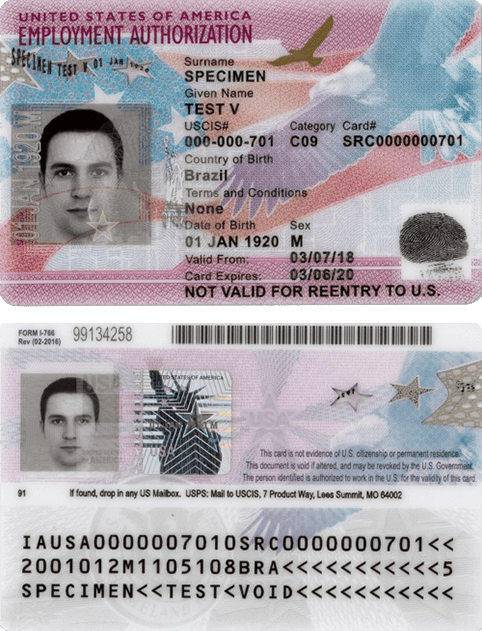
USCIS notes that electronic filing is already available for many benefit requests, including family petitions, employment authorization applications, naturalization forms, and certain employment-based filings. The agency says e-filing can reduce errors, incomplete submissions, and processing delays while supporting more efficient review. Fragomen adds that voluntary e-filing has been available for some forms for years, though large organizations may face operational challenges depending on USCIS system capabilities.
The rule also includes a waiver process for individuals who cannot reasonably file electronically. According to USCIS, requestors may seek a waiver based on undue hardship, with decisions made at the agency's discretion. Details of any waiver form or fee should be confirmed through official USCIS guidance as implementation proceeds.
What's Next / Context
USCIS has been expanding digital filing options for immigration benefits for several years, but paper submission has remained available for many forms. The new rule creates a formal regulatory path for making online filing mandatory on a form-by-form basis rather than through ad hoc policy changes.
For applicants and employers, the practical impact will depend on which forms USCIS designates first and when those designations take effect. Because each transition requires both the 180-day e-filing availability threshold and 60 days of advance notice, affected filers should have lead time to prepare systems, accounts, and document workflows before a paper option ends for a given form.
Organizations that file high volumes of petitions and applications may need to assess whether their case-management processes, evidence uploads, and payment methods are compatible with mandatory e-filing. Individuals without reliable internet access or digital document tools may need to review waiver eligibility and supporting documentation requirements once USCIS publishes further guidance.
Until USCIS announces specific forms subject to mandatory e-filing, there is no immediate change to current submission methods. Stakeholders may wish to monitor USCIS alerts, subscribe to agency updates, and review the Federal Register docket if they intend to submit comments before the October 13, 2026, comment deadline.